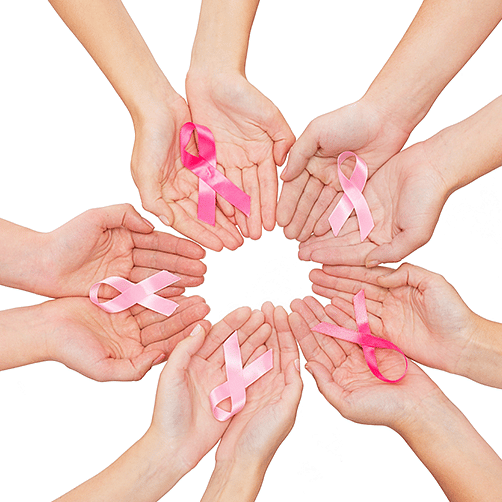
Taking control of your health during Breast Cancer Awareness Month
October is Breast Cancer Awareness Month, but the conversation is one we need to have all year round. According to the Cancer Association of South Africa (CANSA), breast cancer remains the most common cancer among women of all races in our country.
The statistics are sobering: the lifetime risk for women in South Africa is now 1 in 27.
We often think, "It will never happen to me." But complacency is a luxury we cannot afford. While the emotional toll of a diagnosis is heavy, the financial reality can be equally overwhelming. That is why protecting yourself requires a dual approach: vigilant health monitoring and robust financial preparation.
Here is how to take control of your health and your future.
1. Early Detection Saves Lives
The most powerful tool we have is early diagnosis. According to health data, when breast cancer is detected in its earliest stages, survival rates can be as high as 90%.
CANSA recommends annual mammograms for all women aged 40 and above. However, regardless of age, monthly self-examination is non-negotiable. Knowing what your breasts normally feel like ensures you will notice changes immediately.
Signs to watch out for:
If you notice any of the following, book an appointment with your GP or gynaecologist immediately:
-
Lumps: A palpable knot or thickening in the breast or armpit.
-
Shape Changes: One breast becomes unusually larger or lower than the other.
-
Skin Texture: Puckering, dimpling (like orange peel), or redness.
-
Nipple Changes: Discharge, retraction (turning inward), or scaling of the skin.
-
Swelling: Unusual swelling in the armpits or collarbone area.
2. Lifestyle: Reduce Your Risk
While genetics play a role, your lifestyle choices can significantly lower your risk profile. Small changes can make a massive difference:
-
Move More: Research suggests that moderate physical activity can reduce the risk of breast cancer by 14%, while vigorous activity can reduce it by up to 25%.
-
Eat Colourfully: Foods rich in bioflavonoids (think bright berries, leafy greens, beans, and legumes) have protective effects.
-
Watch the Wine: Alcohol is a known risk factor. Studies indicate that consuming two or more units a day can increase risk by over 20%. Try swapping that second glass of wine for Green Tea, which is rich in antioxidants that inhibit cell damage.
-
Vitamin D: Many women diagnosed with breast cancer show low levels of Vitamin D. A little daily sunshine or a supplement can support your breast health.
3. The Financial Gap: Medical Aid vs. Insurance
One of the biggest misconceptions South African women have is, "I have Medical Aid, so I’m covered."
While Medical Aid pays the doctors and the hospital, it does not pay your bond, your groceries, or your child's school fees while you are recovering and unable to work. This is where First for Women Dread Disease Cover (also known as Critical Illness Cover) steps in.
|
Medical Aid Covers... |
Dread Disease Cover Pays For... |
|
Hospital stays and surgery |
Income replacement if you take unpaid leave |
|
Chemotherapy and radiation |
Hiring a nurse or au pair to help at home |
|
Lab tests and scans |
Travel costs to treatment centres |
|
Prescribed medication |
Reconstructive surgery is not fully covered by aid |
Why it matters: Cancer treatment is physically exhausting. The last thing you need during recovery is the stress of unpaid bills. A lump-sum payout from your insurance policy gives you the financial breathing room to focus entirely on healing.
4. Where to Find Help
If you are worried about a symptom or need affordable screening, you are not alone. CANSA runs Care Centres across all nine provinces.
-
Helpline: 0800 22 66 22 (Toll-Free)
-
Email: info@cansa.org.za
-
Website: www.cansa.org.za
Take the Pledge
This month, don't just wear a pink ribbon. Make a pledge to check your body and check your cover.
The people who depend on you need you to be healthy and secure. If you don't have protection against critical illnesses yet, let's fix that today.
Get a First for Women Life & Dread Disease Quote

We Have Great
Insurance Products
At 1st for Women we know that each
woman is an individual who has
different needs.