Breast Cancer: what can you do?
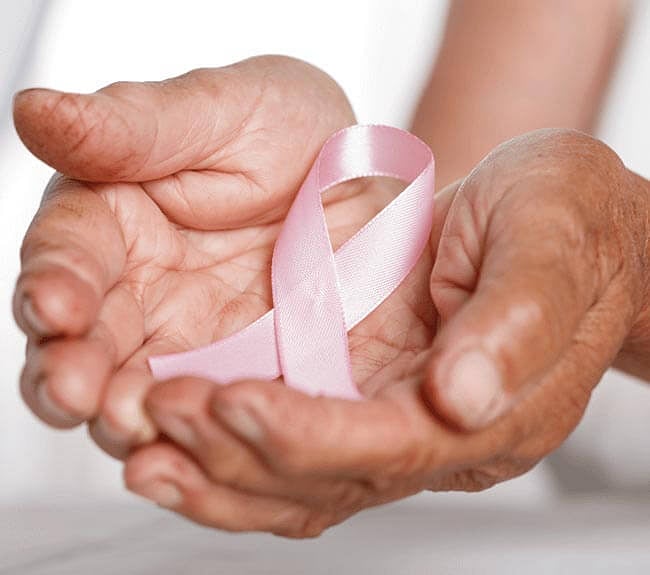
October is Breast Cancer Awareness Month—a time dedicated to education, support, and the pink ribbons that symbolise hope. But awareness alone isn't enough. We need action.
In South Africa, the lifetime risk of developing breast cancer is 1 in 27.
Every day, we manage risks that we can't control—such as traffic or weather—by taking precautions. We wear seatbelts; we insure our cars. Yet, when it comes to breast health, many of us hesitate to take the most important precaution of all: getting checked.
We all think it will never happen to us, but with a statistic like that, we can’t afford to be complacent – and while we might have solid life insurance cover and dread disease cover, the costs of cancer are as much emotional as they are financial and we owe it to ourselves and loved ones to take precautions and protect ourselves as much as we can. Luckily there are some simple things you can do to take care of yourself and help reduce your risk of contracting breast cancer
Here is how to overcome the fear, find affordable screening, and ensure you are financially protected against the unexpected.
Why We Don't Get Tested (And Why We Should)
Research consistently shows that while women are aware they should undergo screening, many don't. The most common barriers include:
-
Fear: "I'm too scared of what they might find."
-
Complacency: "I have no family history, so I’m safe."
-
Cost: "I can't afford a mammogram."
The Reality:
-
Early detection saves lives: When caught early, survival rates skyrocket. Finding a lump doesn't mean the end; it means the start of treatment when it is most effective.
-
Lifestyle isn't a guarantee: While healthy living helps, breast cancer can affect anyone—fit, young, old, or with no family history.
-
Screening can be affordable: During October, many private radiologists offer significant discounts, and government facilities offer free services.

Your 3-Step Action Plan
1. The Self-Exam (Monthly)
Your hands are your first line of defence. 40% of diagnosed breast cancers are detected by women who feel a lump.
-
When: 7–10 days after your period starts (when breasts are less tender).
-
What to look for: Lumps, changes in shape, dimpling skin (like an orange peel), or nipple discharge.
2. The Clinical Exam (Yearly)
This involves a physical examination performed by a healthcare professional, such as a doctor or nurse. It is recommended every 1–3 years for women in their 20s and 30s, and every year for women 40 and older.
3. The Mammogram (Age 40+)
A mammogram can detect lumps before they can be felt.
-
Where to go: Visit the Radiological Society of South Africa (RSSA) website to find practices offering discounts in October.
-
Public options: Government hospitals charge based on income, and CANSA Care Centres offer affordable screenings.
The Hidden Cost of Cancer
We often focus on the emotional toll of a diagnosis, but the financial impact can be just as devastating.
According to recent medical data, cancer treatment in South Africa can cost between R10,000 and R450,000 per year, depending on the severity and treatment required.
Even with Medical Aid, you may face "hidden" costs:
-
Co-payments on scans and specialists.
-
Loss of income if you run out of sick leave.
-
Lifestyle adjustments, like hiring help at home during recovery.
How We Help
This is where First for Women Dread Disease Cover becomes your financial shield. Unlike Medical Aid, which pays the doctors, Dread Disease Cover pays you.
-
Lump Sum Payout: You receive a tax-free cash amount to use as needed.
-
Financial Dignity: Pay off debt, cover school fees, or fund alternative treatments without stress.
Take the First Step Today
Don't let fear dictate your decisions. This month, do two things for yourself and the people who love you:
-
Book your screening. Call your doctor or visit a CANSA Care Centre.
-
Check your cover. Ensure you have a financial safety net in place.
Get a Quote for Dread Disease Cover and face the future with confidence, not fear.
Resources
-
CANSA Toll-Free: 0800 22 66 22
-
Radiological Society of SA: www.rssa.co.za
-
CANSA Website: www.cansa.org.za

We Have Great
Insurance Products
At 1st for Women we know that each
woman is an individual who has
different needs.